Why the right stone should feel settled
The stone that looks right on a sample board often looks wrong in the place. Settlement is something felt in the quarry, not decided from a catalogue.
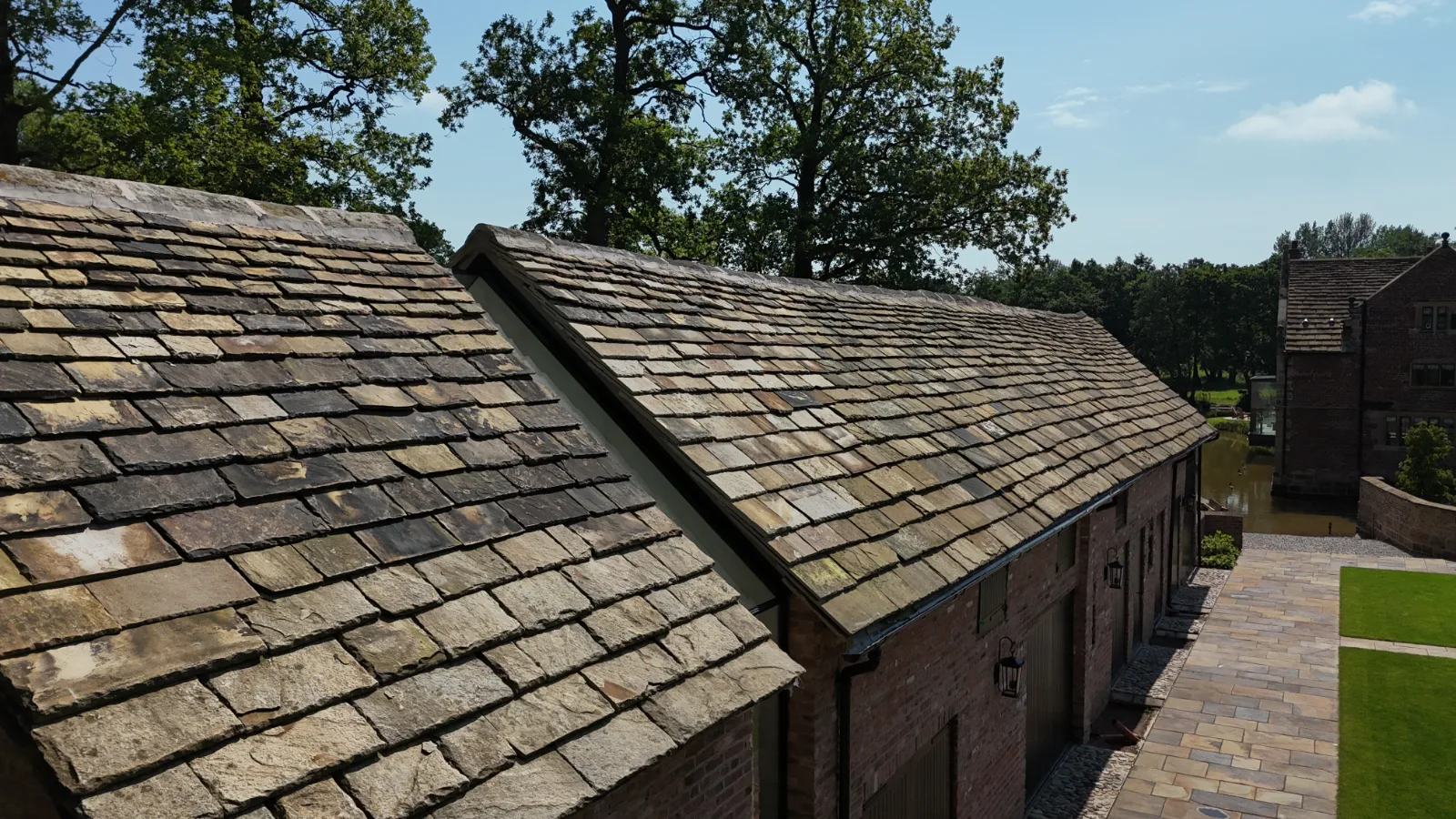
There is a particular failure that occurs when stone is selected from a sample. The material is seen in a showroom, under controlled light, next to other materials chosen to complement it. It looks correct. It arrives on site and something is wrong.
The tone is different in daylight. The variation is more than the sample suggested. The scale feels larger than it did against the board. The edge — which was not visible from the sample — is not what was expected.
Settled stone is stone that belongs to the place around it. That quality cannot be manufactured.
Settlement in stone is not a visual quality alone. It is a combination of tone, surface texture, edge character, variation and weight — all of which are understood properly only at the face, in the block yard, or in a completed project where the same material has been laid and lived in.
The stones Assheton carries have been seen in quantity, in different lights, against different grounds. The question asked of each one is not whether it is a good stone, but whether it will settle correctly in the settings it is likely to meet.
Many good stones are not carried because, however fine the material, it does not have the quality of settlement. It would always look placed rather than belonging.
Selection is, in part, the ability to distinguish between the two — and to leave behind the ones that would not sit still.